Friday, December 30, 2016

Tuesday, February 18, 2014
Wednesday, February 5, 2014
Friday, December 13, 2013
Friday, July 19, 2013
Carpet That Last Forever
If you want carpets that sparkle and last as long as possible, use these tips.
 Tip 1: Choose High Quality Carpet. Builder grade carpet or really cheap carpet will not release stains and damages easily. For the best carpet price stay in the mid-range rates. Make sure your carpet comes with a Stainmaster warranty. If your looking to go top-shelf buy a wool carpet. These natural fibers are hypo allergenic and wool carpets can last a lifetime.
Tip 2: Clean Up Pet Accidents. Do this immediately. Otherwise they will cause permanent damage.
Tip 3: Leave The Dirt Outside. Invest in heavy-duty door mats and remove your shoes.
Tip 4: Avoid Accidents. Confine all drinks and meals to the kitchen. It’s the only way to prevent spills.
Tip 5: Vacuum Often. In high-traffic areas daily. For less-traveled areas, one to two times per week. Use multiple overlapping passes and you will remove damaging dirt from the fibers.
Tip 6: Clean Spills Quickly. Dry blot first. Then apply spotter. Agitate and rinse carpet until no product remains. Dry area with clean towel until no moisture wicks up from the carpet.
Tip 7: Avoid Traffic Lanes. Once you start to see traffic lanes its time to act. High traffic areas can crush your carpet fibers. Prevent traffic patterns with regular care and by moving your furniture around.
Tip 8: Clean The Carpet. Hire an IICRC, truck mount steam carpet cleaning company at least yearly.
Friday, May 3, 2013
Monday, March 4, 2013
How to Choose New Carpet
How to Choose the Right Carpet
Before shopping for new carpet, it is important to understand the four main types of carpet fibers and carefully weigh the pros and cons that type of carpet each offers.
1. Wool Carpet is the most expensive choice for a good reason. Wool carpet is the softest, most luxurious feel that its natural fiber affords. It also comes in a range of various hues, repels moisture and is extremely durable. The problem with wool carpet is that it must be properly cleaned. Carpet cleaners that use strong chemical cleaners and portable units can permanently damage wool carpet.
2. Nylon Carpet is among the most widely used carpeting options due the comfort, durability and high stain-resistance that it offers. These traits make it ideal to use in high traffic areas, but not in areas prone to moisture. It is perfect for hallways, stairs, and living areas. For heavy duty functions, choose nylon carpets that have been manufactured to be densely packed as they retain their rich texture longer than standard carpeting.
3. Polyester Carpet offers quite the same comfort/quality as that of nylon. It may also be stain resistant but may easily attract dirt. If not cleaned often polyester carpet fibers can scratch easily causing irreversible traffic lanes.
4. Olefin Carpet (Berber) is popular for its extreme durability and resistance to moisture as well as chemicals and bleaches. The downside with this type is walking barefoot on it may not prove to be a pleasurable experience. Furniture can leave permanent marks in Olefin carpet, so if your plan to rearrange your furniture Olefin carpet might not be a good choice.
Choosing the right carpet means making the wisest investment that helps you achieve harmony in terms of interior design while affording you simple cleaning and care.
Here are several tips and factors to look into to bring the greatest bang to every buck.
How Much Does New Carpet Truly Cost?
For most new carpet shoppers cost is a major issue, and one that often leads people toward “buying cheap carpet.” These People soon realize that their purchase wasn't really economical. Cheap carpet tends to stain easily and wear badly, requiring premature replacement. So,
spend wisely not cheaply.
The area in your home where you plan to install the carpet will determine the potential wear and tear. Don’t forget to factor in other elements that it will be exposed to.
Lifestyle
Do you have the time, and will you invest the effort, to maintain the beauty of your carpet? Ideally, your choices should mirror your lifestyle.
Wall-to-wall or area rug
An area rug is ideal for families or homeowners who want to compliment an attractive hardwood or stone floor. The colors of area rugs can also add a touch of ambiance to any room. For renters area rugs can be an excellent choice, because it can travel with them when the move out.
Wall-to-wall carpeting, however, is a popular option that can provide any room with luxury and style. One of the most overlooked benefits of wall to wall carpet is it can improve the air you breath. As air moves through your home, carpets act like an air filter, catching and trapping air contaminants. Carpet fitting requires skills and expertise. For the best quality fitting, hire IICRC professional installers. If you buy your carpet from a big box store, remember they use the cheapest subcontractors to install it. If they are not IICRC certified carpet installers, make sure they use carpet power stretchers.
Before shopping for new carpet, it is important to understand the four main types of carpet fibers and carefully weigh the pros and cons that type of carpet each offers.
1. Wool Carpet is the most expensive choice for a good reason. Wool carpet is the softest, most luxurious feel that its natural fiber affords. It also comes in a range of various hues, repels moisture and is extremely durable. The problem with wool carpet is that it must be properly cleaned. Carpet cleaners that use strong chemical cleaners and portable units can permanently damage wool carpet.
2. Nylon Carpet is among the most widely used carpeting options due the comfort, durability and high stain-resistance that it offers. These traits make it ideal to use in high traffic areas, but not in areas prone to moisture. It is perfect for hallways, stairs, and living areas. For heavy duty functions, choose nylon carpets that have been manufactured to be densely packed as they retain their rich texture longer than standard carpeting.
3. Polyester Carpet offers quite the same comfort/quality as that of nylon. It may also be stain resistant but may easily attract dirt. If not cleaned often polyester carpet fibers can scratch easily causing irreversible traffic lanes.
4. Olefin Carpet (Berber) is popular for its extreme durability and resistance to moisture as well as chemicals and bleaches. The downside with this type is walking barefoot on it may not prove to be a pleasurable experience. Furniture can leave permanent marks in Olefin carpet, so if your plan to rearrange your furniture Olefin carpet might not be a good choice.
Choosing the right carpet means making the wisest investment that helps you achieve harmony in terms of interior design while affording you simple cleaning and care.
Here are several tips and factors to look into to bring the greatest bang to every buck.
How Much Does New Carpet Truly Cost?
For most new carpet shoppers cost is a major issue, and one that often leads people toward “buying cheap carpet.” These People soon realize that their purchase wasn't really economical. Cheap carpet tends to stain easily and wear badly, requiring premature replacement. So,
spend wisely not cheaply.
The area in your home where you plan to install the carpet will determine the potential wear and tear. Don’t forget to factor in other elements that it will be exposed to.
Lifestyle
Do you have the time, and will you invest the effort, to maintain the beauty of your carpet? Ideally, your choices should mirror your lifestyle.
Wall-to-wall or area rug
An area rug is ideal for families or homeowners who want to compliment an attractive hardwood or stone floor. The colors of area rugs can also add a touch of ambiance to any room. For renters area rugs can be an excellent choice, because it can travel with them when the move out.
Wall-to-wall carpeting, however, is a popular option that can provide any room with luxury and style. One of the most overlooked benefits of wall to wall carpet is it can improve the air you breath. As air moves through your home, carpets act like an air filter, catching and trapping air contaminants. Carpet fitting requires skills and expertise. For the best quality fitting, hire IICRC professional installers. If you buy your carpet from a big box store, remember they use the cheapest subcontractors to install it. If they are not IICRC certified carpet installers, make sure they use carpet power stretchers.
Friday, May 11, 2012
Thursday, May 3, 2012
FOX 29 Investigates Uncovers Dirty Mattresses For Sale
FOX 29 Investigates Uncovers Dirty Mattresses For Sale
Updated: Thursday, 03 May 2012, 6:23 AM EDT
Published : Wednesday, 02 May 2012, 9:56 PM EDT
Published : Wednesday, 02 May 2012, 9:56 PM EDT
A jaw-dropping investigation you will see only on Fox. We spend hours sleeping every night. But how do we know the bedding we buy is clean and safe?
That's the question Jeff Cole asks as he pulls back the covers on the used mattress industry. And what he finds is downright disturbing.
FOX 29 Investigates Uncovers Dirty Mattresses For Sale
Sunday, April 22, 2012
Keep It Clean: Hardwood Floor Cleaning, Before After
Keep It Clean: Hardwood Floor Cleaning, Before After: When it comes to making your floors elegant.
A1 Sparkles Philadelphia Hardwood Floor Cleaners.
http://a1sparkles.com/
A1 Sparkles Philadelphia Hardwood Floor Cleaners.
http://a1sparkles.com/
Hardwood Floor Cleaning, Before After
When it comes to making your floors elegant.
Call 610-292-9069
A1 Sparkles Philadelphia Wood Floor Cleaners


Friday, April 20, 2012
What are Dust Mites
What Are House Dust Mites?
Dust mites are in your home and cause allergic reactions. They belong to the family of eight-legged creatures called arachnids. This family also includes spiders, chiggers and ticks. Dust mites are hardy creatures that multiply easily in warm, humid places. They prefer temperatures at or above 70°F with a relative humidity of 55-80 percent and die when the humidity falls below 45 percent. Dust mites are rarely found in dry climates.
As many as 10 percent of the general population and 90 percent of people with allergies and asthma are sensitive to dust mites. Recent studies in the United States suggest that at least 45 percent of young people with asthma are allergic to dust mites.
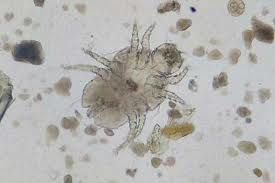
People who are allergic to dust mites react to proteins in their decomposition and feces. These particles are found in the highest concentrations in pillows, mattresses, carpets, rugs, and upholstery. They are so very light they can float in the air for hours. When disturbed by: air flow, vacuums, foot traffic, ruffled bedding, pets, they settle out into the air again.
Dust mite-allergic people who inhale these particles experience more frequent allergic symptoms. In fact, a dust mite allergic patient who sleeps for 8 hours every night spends one third of his or her life with their nose in direct contact with a pillow loaded with dust mite particles!
There may be many as 19,000 dust mites in one gram of dust, but usually between 100 to 500 mites live in each gram. (A gram is about the weight of a paper clip.) Each mite produces about 10-20 waste particles per day and lives for 30 days. Egg-laying females can add 25-30 new mites to the population during their lifetime. Dusty mite critters eat particles of skin and dander, so they thrive in places where there are people. Dust mites don’t bite, cannot spread diseases and usually do not live on people. They are harmful only to people who become allergic to them. While usual household cleaning and insecticides have no effect on dust mites, there are ways to reduce exposure to dust mites in the home. Make it Sparkle.
Philly, NJ, DE Area Professional Cleaning Service.
Wednesday, April 11, 2012
Thursday, March 29, 2012
Dealing With A Flooded House

Proper flood water extraction requires knowledge and
expertise in making sure all the proper safety procedures and preservation
techniques are used. No home owner wants to come home to a flooded house.
However, prompt attention and care from a flood water extraction company can
ensure the aftereffects and water damage from a flood are as minimal
as possible. The following steps can help minimize the damage and negative
possible effects of a flood.
What to Do After a Flood:
Turn the Power Off
The very first thing to do when realized a flood has
occurred is turn the power off. You should take this safety precaution even if
the water isn’t near any electrical outlets, since water can generate
electricity and contact with it could be lethal. No one, especially children,
should go near water after a flood.
Assess the Flood Damage
Quickly take note of damaged rooms and areas so you can
better provide us with the extent of the situation when you first call. Water
damage can quickly worsen, so get a general overall picture of the damage and
then let a professional water damage company handle the intricacies of the situation. If your
home is completely devastated, The Red Cross can provide you with basic
necessities and a clean-up kit.
Do Not Delay
Serious and extensive water damage can happen very
quickly to drywalls, carpets, homes and businesses. Studies show that flood
water left for longer than 48 hours has the potential to do the most damage.
The flood water can compromise the structure of a house as it seeps through the
walls, and can also affect the drywall. Carpeted areas are more prone than wood
floors to cause serious mold and water damage issues when left
unattended to, so don’t put off the problem. The more opportunity flood water
has to sit, the more costly and time-consuming the process will be to restore
the area back to its original condition.
Claim Your Flood Insurance
After calling handling the most immediate problem, you
should call your insurance company and file a flood insurance claim. Find out
the depth and extent of your coverage and utilize the resources from your
insurance company. Our flood clean up processes is approved by
all the major insurance companies.
Leave If Necessary
Proper and adequate ventilation is very important once we
rid your home of the water. We place fans around the affected area and also
recommend opening as many doors and windows as possible. A consistent airflow
into the areas affected by the flood assists in the flood water extraction
process and decreases the chances for mold to form.
When extensive water damage occurs, you may have
to live outside your home for a while. Experts advise patience after a flood
and not rushing back to the home to give water damage restoration
experts a chance to thoroughly handle the situation. Let the local
authorities know if you will be leaving your home for a while. Boarding up the
windows is a good idea as well.
Handle the Stress
The pressure and stress that accompanies a flood is
inevitable. However, there are certain measures you can take to dramatically
reduce the tension and feelings of not being in control of the situation. After
a flood, your emotions will be affected just like your home, business and
personal belongings will. Take the time to sleep, eat well, and be grateful for
your health. Belongings and things can all be replaced, but people cannot.
While dealing with
a flood is never enjoyable, taking advantage of the water extraction services of
an experienced company like The
Water Damage Experts can help tremendously.
Wednesday, March 7, 2012
House Hold Hazardous Waste Disposal
The Pennsylvania Department of Environmental Protection 2012 Hazardous Waster Removal Schedule.

Household Hazardous Waste Collection Events
| Sponsor | Time | Location | Contact |
|---|---|---|---|
| Allegheny County | May 5, 2012 | North Park Swimming Pool Parking Lot | Pa Resource Council - Zero Waste Pittsburgh - Mike Stepaniak 412-488-7452 |
| Beaver County | Oct. 13, 2012 |
Beaver County Recycling Center
Brady's Run Park New Brighton, PA
|
Pa Resource Council - Zero Waste Pittsburgh - Mike Stepaniak
412-488-7452 |
| Bedford County | Sept. 29, 2012 | Bedford County Fairgrounds |
Lou Ann Shontz
814-643-8150
|
| Berks County | Apr. 21, 2012 | Exeter Twp. Municipal Bldg. 4975 DeMoss Rd. in Reading |
Berks County Solid Waste Authority
610-478-6362
|
| Berks County | Oct. 20, 2012 | First Energy Stadium in Reading |
Berks County Solid Waste Authority
610-478-6362
|
| Blair County |
June 14, 2012
|
Peoples Natural Gas Field, Altoona
| Beth Strittmatter
(814) 696-8702
|
| Bradford, Sullivan and Tioga Counties |
June 29-30, 2012
|
Northern Tier Solid Waste Authority -Burlington Landfill
| Leigh Twoe
(570) 297-4177
ntswa@epix.net |
| Bucks County |
May 7 - Aug. 27, 2012
| 2012 Drop-off Sites and Dates | 2012 Program Brochure orBucks HHW Information |
| Butler County |
March 17 thru Oct. 20, 2012
| Environmental Coordination Services and Recycling 129 Ash Stop Road Evans City, PA |
Sheryl Kelly at 724-284-5305
|
| Cambria County |
May 19, 2012
| CTC ETF Facility (Johnstown) |
Pa Resource Council - Zero Waste Pittsburgh - Mike Stepaniak
412-488-7452 |
| Centre County |
Apr. 27-28, 2012
| Centre County Solid Waste Authority, |
David Immel at 814-238-7005
|
| Chester County | April 14 - Oct. 13 2012 | 2012 Drop-off Sites and Dates |
610-273-3771
|
| Delaware County | March - October 2012 | 2012 Drop-off Sites and Dates | |
| Elk County | TBD |
Stackpole Complex in St. Marys
| Bekki Titchner 814-776-5373 |
| Erie County | March 3 - Oct. 27, 2012 |
Erie County Recycling Convenience Center, 1624 Fillmore Avenue, Millcreek
| Call 866-815-0016 for more information |
| Fulton County | Sept. 29, 2012 |
Penn Village Shopping Center
|
Lou Ann Shontz
814-643-8150
|
| Huntingdon County | Sept. 29, 2012 |
Huntingdon County Fairgrounds
|
Lou Ann Shontz
814-643-8150
|
| Lawrence County |
April - Oct.,
2012
| Environmental Coordination Services and Recycling 129 Ash Stop Road Evans City, PA |
Jerry Zona
724-658-6925
|
| Montgomery County | April - Oct., 2012 | 2012 Drop-off Sites and Dates | Montgomery County 610-278-3618 9:00am-3:00pm |
| Northampton County | TBD | Northampton Community College Main Campus |
Thomas Dittmar
(610) 559-3200
|
| Philadelphia County | April-November 2012 | 2012 Drop-off Sites and Dates | Philadelphia HHW Information |
| Bradford, Sullivan and Tioga Counties | June 29-30, 2012 |
Northern Tier Solid Waste Authority -Burlington Landfill
|
Leigh Twoe
(570) 297-4177
ntswa@epix.net |
| Somerset County | May 19, 2012 | CTC ETF Facility (Johnstown) | Pa Resource Council - Zero Waste Pittsburgh - Mike Stepaniak 412-488-7452 |
| Union County | TBD | Silver Moon Flea Market | James McCormick 412-488-7452 |
| Washington County | July 14, 2012 | Washington Mall, Washington |
Pa Resource Council - Zero Waste Pittsburgh - Mike Stepaniak
412-488-7452 |
| Westmoreland County | June 18, 2012 | Alcoa Technical Center, Alcoa Center |
Don Ferrante
724-337-2143
|
| Westmoreland County | Oct. 6, 2012 | Westmoreland County Community College, Youngwood |
Ellen Keefe
724-836-4129
|
| York County | May 5, 2012 | York County Solid Waste Authority's Management Center parking lot | Lauren Washburn 717-845-1066 |
Household Hazardous Wastes (HHW) are those wastes produced in our households* that are hazardous in nature, but are not regulated as hazardous waste, under federal and state laws. Each person in Pennsylvania produces an average of four pounds of HHW each year or about 25,000 tons/yr. statewide. Included are such items as old paints and paint related products, pesticides, pool chemicals, drain cleaners, and degreasers and other car care products. Such consumer waste products, if carelessly managed can, and frequently do, create environmental and public health hazards.
*(The term "households" includes multiple residences, hotels, motels, bunkhouses, ranger stations, crew quarters, campgrounds, picnic grounds, and day-use recreation areas.)Household Hazardous Waste: How Should It Be Managed?
- The best method of managing Household Hazardous Waste (HHW) is to prevent its generation in the first place. This involves selecting the least toxic item "to do the job" and buying only the minimum amounts necessary. Buying in large quantities is not a bargain if half of it has to be discarded.
- If the material is still useable (i.e. has not been damaged/shelf life expired, etc.) check with friends and neighbors to see if they might be able to use it. Check with community groups such as Little League, Habitat for Humanity, etc. to see if they can use the product.
- If the material is not useable and/or if such "outlets" are not available, it should be taken to your community's HHW Collection Program. Such programs will ensure that your HHW is recycled or, otherwise, managed, in an environmentally preferable way, under the hazardous waste provisions of the law.
- If you have used oil, take it to a used oil collection site.
- Spent lead acid batteries can be returned to sellers. In Pennsylvania, dealers are required to take old batteries when new ones are purchased. Spent lead acid batteries may not be discarded in landfills.
- Note - Used oil and intact lead acid batteries from households are not considered to be hazardous wastes in Pennsylvania. However, they are frequently generated in households and are thus often grouped in the household hazardous waste category. They are also frequently included in HHW collection programs.
- If your community does not have a collection program or you must discard the materials prior to the next scheduled event, you may legally discard them in your regular trash pick up, provided:
- You have read the label and complied with any disposal directions.
- Liquids have either been allowed to evaporate (if water based) or absorbed (if non-water based) on some material such as vermiculite, cat litter, or sawdust, so that there are no freestanding liquids).
- The remaining residue has been packaged to prevent leakage while the material is being transported to the disposal facility
- The material is placed out in small quantities, over several collection periods.
- Pharmaceutical Disposal
- Pharmaceutical Collections
- Non-Controlled Substances Only Registered Onsite Pharmaceutical Collections (xls)
- DEA National Drug Take-Back Initiative April 28, 2012
- Procedures for conducting muncipal pharmaceutical collections in PA (pdf)
- Notification for Registration of Onsite Pharmaceutical Drug Collection Program 2520-FM-BWM0010 (eLibrary) - To be used only by pharmacies for onsite pharmaceutical collections
- Instructions for homeowner to dispose of unwanted medication if there is no pharmaceutical collection in your area
- Federal Guidelines for Proper Disposal of Prescription Drugs - U.S. Office of National Drug Control Policy
- Disposal by Flushing of Certain Unused Medicines: What You Should Know - U.S. Food and Drug Administration
- How to Manage Old Propane Cylinders and Tanks
Thursday, February 23, 2012
Using Ozone to Clean

Ozone is a naturally occurring substance in nature that we cannot live without. Ozone is an activated form of oxygen with three atoms where regular oxygen has two. Ozone in the upper atmosphere filters out harmful rays from the sun without which all life on earth would cease to exist. Closer to home ozone is produced by lightning in thunderstorms. I'm sure you have experienced the freshness in the air after a storm. Ozone is very unstable and has an average half life of 20 minutes, which is why ozone must be produced at the point of use and cannot be stored in a container for later use.
Ozone will cast off it's third atom onto any other organic element thereby oxidizing it or converting it into another substance. In the case of odors it will convert a foul-smelling substance into a non-odorous substance naturally, with no unhealthy chemicals to buy, store, or use. Once ozone has done it's job it converts back to oxygen. Ozone will also deactivate and destroy molds, bacteria, virus, fungus, and mildew.
Ozone is "active oxygen", nature's special element. (Each ozone molecule consists of three oxygen atoms.)
·
Ozone is a natural purifier.
·
Ozone is created in nature by the combination of oxygen in air and
the ultraviolet rays of the sun or by the corona discharge that occurs during a
lightning storm.
·
Ozone has the clean, fresh scent noticed after a rainstorm.
·
Ozone is the most powerful oxidizer safely used.
·
Ozone is the alternative water purifier to traditional chemicals
such as chlorine and bromine.
·
Ozone destroys bacteria, viruses, mold, and mildew.
·
Ozone eliminates spores, cysts, yeast, and fungus.
·
Ozone oxidizes iron, sulfur, manganese and hydrogen sulfate.
·
Ozone eliminates oils and other contaminants in water.
·
Ozone eliminates odors in air, such as smoke.
·
Ozone keeps water clean and sparkling clear.
·
Ozone keeps food and water fresh
·
Ozone leaves no chemical by-products in water.
·
Ozone leaves no chemical taste or smell.
·
Ozone will not burn eyes or make them red or irritated.
·
Ozone will not irritate or dry out skin, nose, or ears.
·
Ozone will not leave a chemical film on material or skin.
·
Ozone will not discolor or damage hair or clothing.
·
Ozone rids water and air of unhealthy microorganisms.
·
Ozone is NOT a carcinogen.
·
Ozone is not flammable and will not explode.
·
Ozone is not a fire hazard.
·
Ozone will not damage electrical wiring, plumbing fittings or
pipes.
·
In 1906, Nice,
France built the first water purification plant to use ozone.
·
Los Angeles, California has the largest ozone drinking water
treatment plant in the world.
·
Most bottled water is purified by ozone.
·
Ozone is used to clean water and toxic waste.
·
Ozone purifies water in well and home drinking water systems.
·
Ozone systems have brought life back to "dead"
contaminated lakes and pools.
·
Ozone is used to purify air in hotel rooms, boats, RVs, cars, and
smoke/fire damaged structures.
·
Ozone is used in thousands of residential and commercial pools and
spas all over the world.
·
Ozone does not have to be purchased or stored.
·
Ozone is generated "on site" and is introduced into the
water or air automatically.
·
Ozone does not affect the pH balance of water, thus minimizing pH
adjustments.
·
Ozone helps reduce total dissolved solids in water so that the
water does not have to be changed as often.
·
Ozone eliminates much of the routine maintenance because it does
such an effective job keeping the water clean.
Mold Fact Sheet
Mold Fact Sheet – Referenced directly from the EPA and CDC
There is always some mold everywhere - in the air and on many surfaces. Molds have been on the Earth for millions of years. Mold grows where there is moisture.
Mold and Your Health
Exposure to damp and moldy environments may cause a variety of health effects, or none at all. Some people are sensitive to molds. For these people, molds can cause nasal stuffiness, throat irritation, coughing or wheezing, eye irritation, or, in some cases, skin irritation. People with mold allergies may have more severe reactions. Immune-compromised people and people with chronic lung illnesses, such as obstructive lung disease, may get serious infections in their lungs when they are exposed to mold. These people should stay away from areas that are likely to have mold, such as compost piles, cut grass, and wooded areas.
A link between other adverse health effects, such as acute idiopathic pulmonary hemorrhage among infants, memory loss, or lethargy, and molds, including the moldStachybotrys chartarum (Stachybotrys atra), has not been proven. Further studies are needed to find out what causes acute idiopathic hemorrhage and other adverse health effects.
Mold and Your Home
Mold is found both indoors and outdoors. Mold can enter your home through open doorways, windows, vents, and heating and air conditioning systems. Mold in the air outside can also attach itself to clothing, shoes, bags, and pets and can be carried indoors.
Mold will grow in places with a lot of moisture, such as around leaks in roofs, windows, or pipes, or where there has been flooding. Mold grows well on paper products, cardboard, ceiling tiles, and wood products. Mold can also grow in dust, paints, wallpaper, insulation, drywall, carpet, fabric, and upholstery.
You Can Control Mold
Inside your home you can control mold growth by:
Keeping humidity levels between 40% and 60%;
Promptly fixing leaky roofs, windows, and pipes;
Thoroughly cleaning and drying after flooding;
Ventilating shower, laundry, and cooking areas.
If mold is growing in your home, you need to clean up the mold and fix the moisture problem. Mold growth can be removed from hard surfaces with commercial products, soap and water, or a bleach solution of no more than 1 cup of bleach in 1 gallon of water.
Mold growth, which often looks like spots, can be many different colors, and can smell musty. If you can see or smell mold, a health risk may be present. You do not need to know the type of mold growing in your home, and CDC does not recommend or perform routine sampling for molds. No matter what type of mold is present, you should remove it. Since the effect of mold on people can vary greatly, either because of the amount or type of mold, you can not rely on sampling and culturing to know your health risk. The best practice is to remove the mold and work to prevent future growth.
If you choose to use bleach to clean up mold:
Never mix bleach with ammonia or other household cleaners. Mixing bleach with ammonia or other cleaning products will produce dangerous, toxic fumes.
Open windows and doors to provide fresh air.
Wear non-porous gloves and protective eye wear.
If the area to be cleaned is more than 10 square feet, consult the U.S. Environmental Protection Agency (EPA) guide titled Mold Remediation in Schools and Commercial Buildings. Although focused on schools and commercial buildings, this document also applies to other building types. You can get it free by calling the EPA Indoor Air Quality Information Clearinghouse at (800) 438-4318, or by going to the EPA web site at http://www.epa.gov/mold/mold_remediation.html.
Always follow the manufacturer’s instructions when using bleach or any other cleaning product.
MOLD PREVENTION TIPS
Keep the humidity level in your home between 40% and 60%. Use an air conditioner or a dehumidifier during humid months and in damp spaces, like basements.
Be sure your home has enough ventilation. Use exhaust fans which vent outside your home in the kitchen and bathroom. Make sure your clothes dryer vents outside your home.
Fix any leaks in your home’s roof, walls, or plumbing so mold does not have moisture to grow.
Clean up and dry out your home thoroughly and quickly (within 24–48 hours) after flooding.
Add mold inhibitors to paints before painting.
Clean bathrooms with mold-killing products.
Remove or replace carpets and upholstery that have been soaked and cannot be dried promptly. Consider not using carpet in rooms or areas like bathrooms or basements that may have a lot of moisture.
To learn more about preventing mold in your home, see the Environmental Protection Agency's publication A Brief Guide to Mold, Moisture, and Your Home athttp://www.epa.gov/iaq/molds/moldguide.html
Friday, February 17, 2012
Everything You Need to Know about Vaccines

Everything You Need to Know about Vaccines
Keeping up with vaccines is not always easy, particularly if you live in a household with family members of different ages. Vaccination needs can also change quickly if there’s an outburst of a disease.
These days, however, figuring out who needs to get vaccinated, when and where is as easy as visiting Vaccines.gov, the federal government’s centralized portal for everything related to vaccines. The portal recently launched a Spanish-language version of the site.
“Vaccinations protect you but also protect family members and the community, and this website will help everybody get answers to some of the most basic questions about vaccines,” said Guillermo Avilés-Mendoza, a Public Health Advisor to the National Vaccine Program Office at the U.S. Department of Health and Human Services.
Useful Information about Vaccines
The site offers information about vaccines from a practical and useful perspective. You’ll find, for example, vaccination calendars, explanations on how vaccines work and resources on which vaccines you need to take before going abroad.
In addition, you can:
- Read about the safety and effectiveness of vaccines.
- Learn which diseases are preventable through vaccines.
- Become familiar with the many acronyms and abbreviations surrounding vaccinations.
“It’s a place where you can find practical and useful tools,” said Guillermo Avilés-Mendoza.
Who Needs to Get Vaccinated and When
It’s a myth that vaccinations are only for children, pregnant women and senior citizens. In fact, every year thousands of adults get vaccinated against flu. There are different factors that determine if you need to get vaccinated, including your age, lifestyle, medical conditions and the places you visit. You might also want to get vaccinated if there’s an outburst of a particular disease, like whooping cough.
Dozens of people died during an outbreak in 2010, most of them children under the age of one who couldn’t get vaccinated because they were too young. That’s why the federal government recommends that 11 or 12 year-olds get a booster of whooping cough vaccine, and that all adults get vaccinated against the whooping cough and get a booster every 10 years.
“The vaccine protects the person who took it, but also those who can’t get vaccinated, such as small children and people with weak immune systems,” said Avilés-Mendoza.
Find out who needs to get vaccinated and when.
Where to Get Vaccinated
Vaccinations are available in many places, from your doctor’s office and hospitals to pharmacies, churches and even schools and colleges. And many insurance companies cover the cost of vaccines. But what if you don’t have insurance?
You can always get vaccinated at the many community clinics funded by the federal government across the country. These clinics offer low cost vaccinations, so you pay what you are able to afford. Vaccinations.gov has a community clinic locator. Just type in your ZIP code.
“These clinics are great because they also offer other types of services such as prenatal care, dental and mental health services,” said Avilés-Mendoza.
Subscribe to:
Posts (Atom)